Shows on Nigeria’s broadcast media have been entertaining and helping to mold popular culture and entertainment for decades. Nigeria’s broadcast media consists of family dramas, workplace comedies, and reality competition formats.
Television programming in Nigeria helps to project social values and everyday experiences through the humor of the shows. Productions in Nigeria have been able to move through the decades from terrestrial broadcasting to cable and then to digital streaming services, allowing for greater and greater audience reach. The purpose of this article is to give a nostalgic and historical overview of popular Nigerian TV shows, specifically of classic titles that shaped the industry and still have significant relevance today. Get Betbonanza App now and explore more!
Popular Nigerian TV Shows
Due to the captivating storytelling, character relatability, and consistency of broadcasting, Nigeria’s broadcast media shows became popular. These shows paved the way for today’s Nigerian television.
Papa Ajasco TV Show
Papa Ajasco is a Nigeria’s broadcast media show that is easily recognizable for its longevity on broadcast media. The series centers on family, marriage, and everyday problems, but does so through simple storylines. The show has developed a loyal following because of the relatability of the domestic situations and the characters. The series helped popularize the genre of Humour-based shows on Nigeria’s broadcast media.

Super Story TV Show
Super Story is a drama anthology series that narrates a different set of storylines every season. The show tackles social issues like family disagreements, financial hardship, relationship issues, and ethical dilemmas. Each story is constructed through several episodes to allow more elaboration of the characters. Super Story became a hit because it portrayed real-life situations and narrated them in a way that a lot of people could connect to.
Fuji House of Commotion TV Show
Fuji House of Commotion is based on a polygamous family living together. The show deals with family relationships, conflicts, collaborations, and everyday problems. Its main strength is the cast regularity and simple storylines. The series was able to mix humor and social issues, which made it both interesting for people who wanted a laugh and for people who wanted to see a family show.

Checkmate TV Show
Checkmate is one of the first televised drama series in Nigeria. The series revolves around the themes of business, ambition, and the power struggle. It was unique in the way it told its story and the way it depicted the business world and corporate society. Checkmate set the standard for drama in Nigeria and was a guide for other drama series that followed the same ideas.
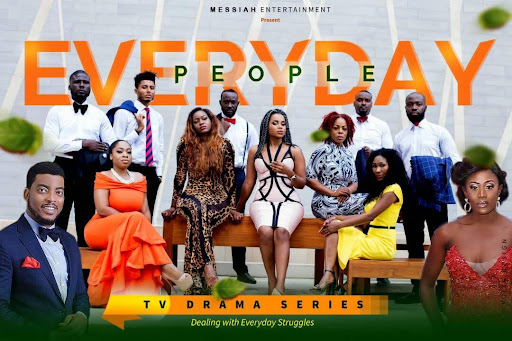
Everyday People TV Show
Everyday People tell the stories that fit the theme of the drama of urban living. This show deals with the particulars and specifics of human relationships, human problems at work, and social problems. With the format of separate, enumerable storylines, the show engaged viewers with numerous characters and stories at one time. The show tried to appeal to the experience of an everyday, average, common Nigerian and thus tried to reflect an experience of their existence in urban Nigerian life.
Nigerian Comedy TV Shows
Commercial Nigerian TV has and still features Humour-based shows prominently across many Nigerian shows and old Nigerian broadcast productions. Humour-based shows in Nigerian TV is usually in the family genre, with a focus on cultural and interpersonal Humour-based shows, as well as stereotypes that reflect African society, societal issues, and the everyday experiences of Nigerians watching weekly tv series on broadcast.
Papa Ajasco Humour-based shows Series
Papa Ajasco, a legendary and timeless Nigerian TV series, as a Humour-based shows production, bases a lot of its Humour-based shows on interpersonal relationships as well as on the behavior of characters such as Mama Ajasco, Pa James, and the wife figure that shaped the show’s storyline. Created by Wale Adenuga under Wale Adenuga Production, the show made its mark in Nollywood history as a produced Humour-based shows series adapted from a comic strip. To keep the viewers engaged, the series maintains the same format of a few set objectives and tasks, delivering a clear moral lesson in each episode. This hilarious, sometimes rib-cracking and antic style of Humour-based shows has been adopted and has been a major influence for countless ipv2 sitcom formats, especially those that focus on family, marriage, and relationships, making it one of the greatest and one of the best TV shows of all time. Its theme song, unforgettable characters, and legendary actors like Sam Loco Efe helped make the show iconic, unforgettable, and a source of nostalgia for the 2000s generation.
Fuji House of Commotion Humour-based shows Series
Fuji House of Commotion is primarily a Humour-based shows show and Nigerian TV show, with family member interactions as the main source of humor, offering an experience of living inside a polygamous home and living inside a polygamous home from a middle-class perspective. As an offshoot of Checkmate, the show starred legendary actors such as Kunle Bamtefa, Ngozi Nwosu, Amaka Igwe, Norbert Young, and a strong supporting cast, all of whom made the show memorable. With a blend of dialogue and situational Sitcom-style content, the comedic structure avoided the use of intricate and elaborate plot devices. This allowed the tv series to keep its viewers and audience regular, especially when it aired weekly at 8pm, becoming one of the greatest Nigerian broadcast productions for youth and family audiences alike.
Nigerian Reality and Competition Shows
The competition and reality formats were a new addition to Nigeria’s broadcast media. These shows focused on tasks involving personal challenges and audience participation.
Gulder Ultimate Search Reality Show
One of Nigeria’s prominent reality competition shows is Gulder Ultimate Search. Contestants are placed in extreme environments, and they must complete challenges in order to outlast one another. Physical and strategic teamwork are required to win. This was the first unscripted broadcast media show in Nigeria. Before this, Nigeria’s broadcast media was only exposed to scripted shows.

Conclusion
Nigerian broadcast media continues to improve and integrate different forms of broadcast media, such as drama, Sitcom-style content, and reality competition, as it once started with simple studio broadcast media. Shows like Super Story, and Checkmate, Classics of Nigerian broadcast media, produced in the early days of broadcast media, demonstrated the popularity and demand of Nigerian broadcast media. Reality shows and Sitcom-style content strengthened the audience and engagement with the broadcast media; screen these media programs changed the audience experience and demonstrated the progress and the adaptability of Nigerian broadcast media to the audience.
FAQ
What are the most popular Nigerian broadcast productions?
Fuji House of Commotion, Checkmate, and Everyday People are some of the most popular Nigerian broadcast productions. These shows are renowned for having a consistent story and connection with the audience of the show.
Which Nigerian broadcast productions are considered comedies?
Comedies from TV shows are Fuji House of Commotion and Ajasco. The shows had humor in family ties in a relationship and everyday problems.
How long have shows like Super Story and Checkmate been running?
Super Stories and Checkmate are some of the oldest and most successful shows as they ran for multiple years. Checkmate was an early show in Nigeria TV drama. The shows had long run times compared to many of the productions that followed.
What is Gulder Ultimate Search about?
Gulder Ultimate Search is a Reality Competition Show. Contestants are put outdoors and have to complete various physical and IT tasks.
Where can I watch Nigerian broadcast productions online?
Some Nigerian broadcast productions are able to be watched on some digital platforms like streaming sites, the official broadcasters’ sites, and video-sharing sites that have legal access to Nigerian movies.